
"at the foot of the mountain"
400 article(s) found

Introduction to the characteristics of Kilimanjaro Coffee
Coffee is one of the main cash crops in Tanzania, ranking fourth after cotton, tobacco and cashew nuts, mainly sold to Italy, Japan and the United States. Coffee exports play an important role in the national economy of Tanzania. Tanzania's main coffee producing area is located at the foot of Mount Kilimanjaro, which is rich in volcanic soil and coffee trees planted here.

Introduction to the characteristics of the rich and refreshing Kilimanjaro coffee flavor manor manor in Tanzania
Coffee is one of the main cash crops in Tanzania, ranking fourth after cotton, tobacco and cashew nuts, mainly sold to Italy, Japan and the United States. Coffee exports play an important role in the national economy of Tanzania. Tanzania's main coffee producing area is located at the foot of Mount Kilimanjaro, which is rich in volcanic soil and coffee trees planted here.

Coffee Manor in Guatemala
The Guatemalan Coffee Garden at the foot of the volcano Father Jesuit introduced coffee trees to Guatemala in 1750, where German colonists developed the coffee industry at the end of the 19th century. Today, most of the coffee industry's production takes place in the south of the country. Here, the slopes of the Sierra Madre volcano provide ideal conditions for growing high-quality coffee beans.

Introduction to the manors and exports of coffee in Tanzania
Coffee is one of the main cash crops in Tanzania, ranking fourth after cotton, tobacco and cashew nuts, mainly sold to Italy, Japan and the United States. Coffee exports play an important role in the national economy of Tanzania. Tanzania's main coffee producing area is located at the foot of Mount Kilimanjaro, which is rich in volcanic soil.

Tanzania coffee flavor what is the difference between Tanzania coffee flavor and Kenya coffee flavor
Coffee is one of the main cash crops in Tanzania, ranking fourth after cotton, tobacco and cashew nuts, mainly sold to Italy, Japan and the United States. Coffee exports play an important role in the national economy of Tanzania. Tanzania's main coffee producing area is located at the foot of Mount Kilimanjaro, which is rich in volcanic soil and coffee trees planted here.

How about Arabica beans from Yunnan? Arabica coffee from Yunnan.
Professional coffee knowledge exchange more coffee bean information Please follow Coffee Workshop (Wechat official account cafe_style) Xinzhai Village, located at the foot of the famous Gaoligong Mountain in Baoshan in western Yunnan, has always been known as the hometown of coffee in China. Dry and sultry valleys, coupled with plenty of sunshine all the year round, provide a unique environment for the cultivation of small grains of coffee. Small grains of coffee are grown in Yunnan.

Taiwan Gukeng Coffee Taiwan Coffee Brand how to drink Gukeng Hebao Mountain Coffee
Professional coffee knowledge exchange more coffee bean information Please follow the coffee workshop (Wechat official account cafe_style) at the foot of the hundred-year-old Hobao Mountain in Gukeng, there is a Guquan coffee estate covering an area of about five armour and planting more than 3000 non-toxic coffee trees. Each coffee bean in the manor is harvested artificially, shelled, fermented and picked by hand many times.

Tanzania Coffee Jilimanjaro Mountain Fire area with excellent taste
The coffee beans produced here are all exported from Kilimanjaro, but in addition to Mount Kilimanjaro, there are several major coffee producing areas throughout Tanzania, there are more small farms in other areas, and most small farms also have a planting area of several hundred mu. Some have their own washing equipment and bean drying farms, but the grading treatment still has to go through large-scale treatment.

Which coffee producing countries in Tanzania are mainly dependent on coffee production to maintain their economies?
Coffee is one of Tanzania's main cash crops, ranking fourth after cotton, tobacco and cashew nuts among Tanzania's export crops, mainly exported to Italy, Japan and the United States. Coffee exports occupy an important position in Tanzania's national economy. Tanzania's main coffee-producing area is located at the foot of Mount Kilimanjaro, which has rich volcanic soil. Coffee trees planted here include
Wanning: First Country Coffee Station Opened
Since May, we have participated in the construction of the post station. According to the reward of 150 yuan per person per day determined by the collective discussion of the village committee, we can get the money when we pay dividends! Li Yiping, a villager from Lingtou Village, Yongfan Village Committee, Wancheng Town, Wanning City, sat in the stone house, drinking coffee and smiling to reporters. On the morning of July 18, Yanglan Coffee Station, located at the foot of Dongshan Ridge, the first mountain in Hainan, opened.

Coffee planting Environment in Tanzania Kilimanjaro Coffee Arusha Coffee Manor
With the geographical advantage of the highest mountain in Africa, Arusha has become the most important coffee growing area in Tanzania. The fertile volcanic soil gives the local coffee a strong texture and soft acidity. It is said that the coffee grown here exudes a delicate fragrance and contains a special aroma that makes people taste it. With the reputation of coffee with the most African characteristics

Introduction to the quality of coffee beans in Tanzania A course on the use of coffee machines
Coffee is one of the main cash crops in Tanzania, ranking fourth after cotton, tobacco and cashew nuts, mainly sold to Italy, Japan and the United States. Coffee exports play an important role in the national economy of Tanzania. Tanzania's main coffee producing area is located at the foot of Mount Kilimanjaro, which is rich in volcanic soil and coffee trees planted here.

Peruvian Zen tea Mayu SHB fine coffee raw bean Peru Origin imported organic coffee Zen tea Mayo
Peruvian Zen tea Mayu most Peruvian coffee is organic coffee, mainly on small-scale farms, mostly grown at the foot of the Andes. Peru, with mountains accounting for 1% of the country's total area, belongs to a tropical desert region with a dry and mild climate. The average annual precipitation of 18-26 ℃ is mild 700~1500mm, which makes it rich in high-quality coffee. Peruvian coffee is made up of 100% Arabica varieties.
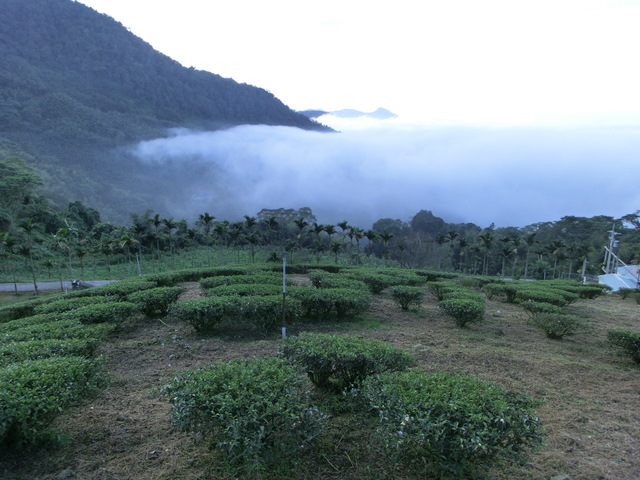
Coffee Manor in Guatemala. Camana Manor Antigua.
The Guatemalan Coffee Garden at the foot of the volcano Father Jesuit introduced coffee trees to Guatemala in 1750, where German colonists developed the coffee industry at the end of the 19th century. Today, most of the coffee industry's production takes place in the south of the country. Here, the slopes of the Sierra Madre volcano provide ideal conditions for growing high-quality coffee beans.
Cafes become business incubators
On August 5, the grass merchant coffee academy with the core theme of entrepreneurship, incubation and investment officially opened at the foot of Yuelu Mountain. It is understood that the Coffee College of Grass Merchants was jointly founded by a group of senior people from different backgrounds, including management consulting, financial investment, IT, entrepreneurial mentors and other elites. They will regularly share and release the latest research results in the Coffee Academy.
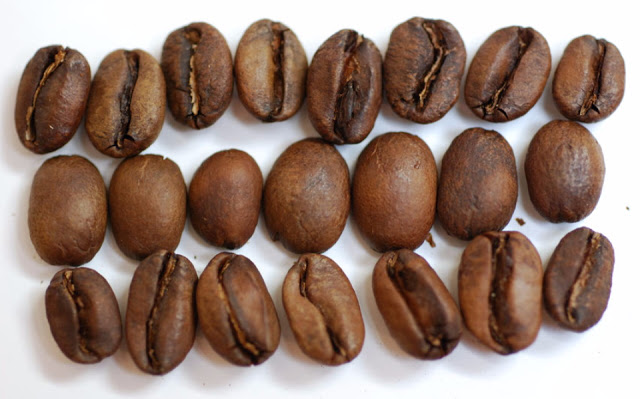
Professional coffee roasting | how should Rosa Geisha coffee be roasted?
Professional barista communication Please follow the coffee workshop (Wechat official account cafe_style) I think even people with loose pockets will not use Geisha as a practice bean, a pot of practice, maybe so, when drinking Geisha, the mind will inevitably fly over a lot of unknown totems. Recently, there is a 90 + Geisha Super Red, which is bidding for US $5000 a kilogram. People who have drunk it are full of praise.

Introduction to Kilimanjaro Coffee Kilimanjaro Mountain Fire area
The coffee beans produced here are all exported from Kilimanjaro, but in addition to Mount Kilimanjaro, there are several major coffee producing areas throughout Tanzania, there are more small farms in other areas, and most small farms also have a planting area of several hundred mu. Some have their own washing equipment and bean drying farms, but the grading treatment still has to go through large-scale treatment.
Coffee farms in Guatemala Coffee Bean Plantation
The Guatemalan Coffee Garden at the foot of the volcano Father Jesuit introduced coffee trees to Guatemala in 1750, where German colonists developed the coffee industry at the end of the 19th century. Today, most of the coffee industry's production takes place in the south of the country. Here, the slopes of the Sierra Madre volcano provide ideal conditions for growing high-quality coffee beans, at a high altitude

St. Thomas Manor Atlanta, Jamaica introduces the Jamaican Coffee Manor
As early as the mid-18th century (around 1750), Clifton Farm began to grow and produce coffee. According to a survey conducted by the Jamaica Institute in 1810, Robert Hamilton was the owner of the farm at that time. This map shows that Clifton Mountain is divided into two parts: 427 mu of pasture with 80 mu of coffee at the top, 111 mu of coffee and 264 mu of grazing at the foot of the mountain.

Tanzania Coffee Flavor Taste Manor Production Characteristics Fine Coffee Bean Variety Introduction
Coffee is one of Tanzania's main cash crops, ranking fourth after cotton, tobacco and cashew nuts among Tanzania's export crops, mainly exported to Italy, Japan and the United States. Coffee exports occupy an important position in Tanzania's national economy. Tanzania's main coffee-producing area is located at the foot of Mount Kilimanjaro, which has rich volcanic soil. Coffee trees planted here